Heavy Bales vs Sorted Clothing: What's the Real Difference?
A heavy bale is a large, compressed bundle of secondhand clothing, often around 45 kg. Sorted clothing is a lot picked through by brand, category and grade before packing. The real difference isn't…
By Patrick Libanon — founder, Excellent Vintage · Bovenkarspel, since 2012
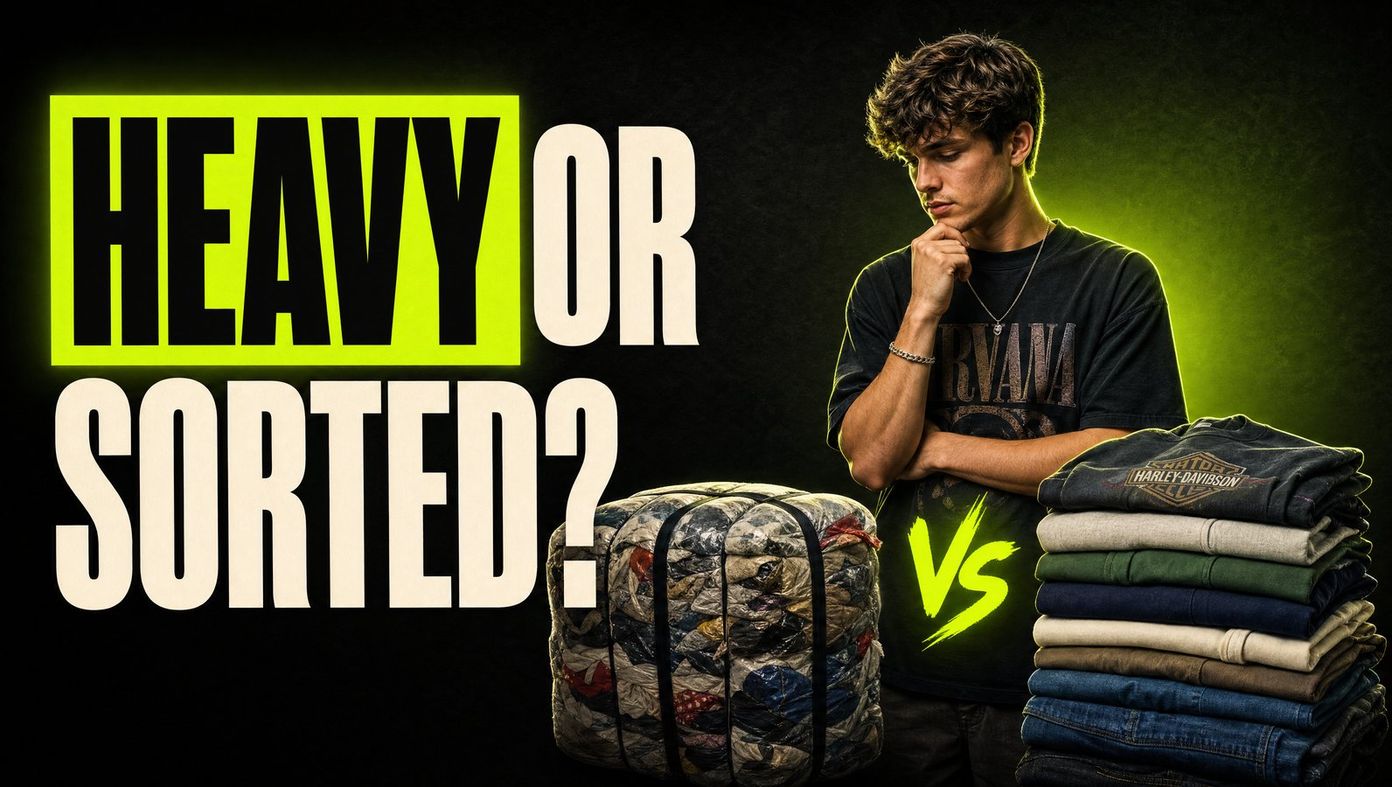
A heavy bale is a large, compressed bundle of secondhand clothing, often around 45 kg. Sorted clothing is a lot picked through by brand, category and grade before packing. The real difference isn't the weight, it's the sorting: unsorted is cheaper per kilo but unpredictable, while sorted costs more and saves you hours of work.
If you have ever compared two wholesale listings and seen "heavy bales" on one and "sorted clothing" on the other, you probably assumed they were two different products you had to choose between. They are not. Two separate decisions are quietly tangled together in that phrasing, and untangling them is what separates a reseller who scales from one who burns weekends sorting rags. This guide pulls the two apart so you know exactly what to ask for.
What a heavy bale actually is
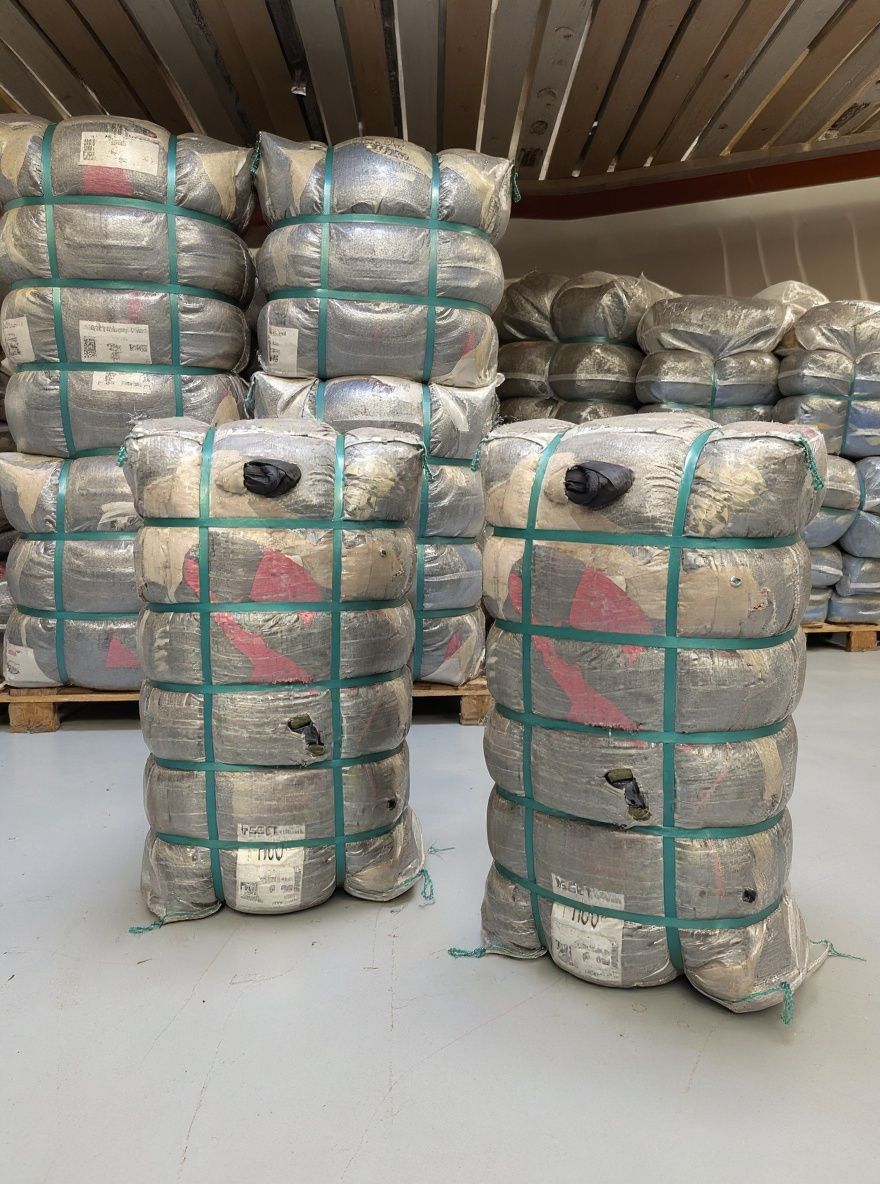
A bale is a compressed, film- or jute-wrapped bundle of used clothing, packed for transport and storage. In the wholesale trade, bales are usually sold by weight; common European formats run from roughly 25 kg up to 55 kg, with 45 kg a frequent reference point.
The term "heavy bale" is not used consistently across the trade. It carries two meanings. Sometimes it refers to the type of garment: bales made of heavier pieces (coats, jeans, thick sweatshirts) as opposed to "light bales" of t-shirts and summer shirts. Sometimes it simply refers to the physical weight of the lot: a large, heavy bale versus smaller bags. Both senses circulate, so it pays to ask any supplier which one they mean.
At Excellent Vintage, "heavy bales" means the second sense: large, full bales of clothing. The tagline "Heavy bales. Fast shipping." points to the volume a serious reseller works with. On its own, it says nothing about whether the contents are sorted. And that is exactly where the confusion starts.
What "sorted clothing" means
Sorted (or pre-sorted) clothing is a lot whose pieces have been picked through before packing, by brand, type, gender, season or grade. You know what you are getting before you open it. That is the opposite of an unsorted or "mix" bale, where everything sits together the way it arrived.
The unsorted end is usually just called a mix, or a raw bale: a lot in the state it arrived, not yet picked through. Its composition is a gamble, because the share of sellable pieces swings a lot depending on where the stock came from. A step below sit so-called mixed rags: clothing already sorted by a thrift channel and rejected there. Still usable, but skimmed once already. At Excellent Vintage that raw mix is not the standard: it works from pre-sorting, and that is where the whole difference sits.
The point underneath all of it: sorting is labour, and that labour is priced in. An unsorted bale is cheaper because you take on the sorting. A sorted lot costs more per kilo because someone has already done that work for you.
The real difference: two axes, not one choice
Here is the insider point most guides skip. "Heavy bale" and "sorted" do not sit on the same line. They are two independent axes:
- The weight/format axis — how big is the lot? A half-bag of 12.5 kg, a 25 kg bag, a 45 kg bale, a 50 kg curon. This sets your volume.
- The sorting axis — how organised is the content? Raw mix at one end, pre-sorted by brand and grade at the other.
So a heavy bale can be unsorted (a big, raw gamble) or sorted (a large lot with predictable contents). The market question "heavy bales or sorted clothing?" implies a choice that does not really exist. The real question is: how much volume do I want, and how much sorting work am I willing to do myself?
Frame it that way and the decision clears up fast. You stop betting on a label and start choosing a deliberate position on both axes.
Unsorted: cheaper, but you pay in time
A raw, unsorted bale looks appealing: the lowest price per kilo, plus the treasure-hunt fantasy. In practice it is the most expensive option in time. You open tens of kilos, then assess, clean, photograph and bin everything yourself, including whatever turns out unsellable.
Run the volume. A by-weight 45 kg bale of t-shirts holds roughly 225 pieces; a bale of sweatshirts around 90; a bale of jeans about 31. With an unsorted lot you do not know that ratio in advance, nor what share is grade A. For someone selling piece by piece on Vinted who photographs every item by hand anyway, that sorting may be acceptable. For someone running live Whatnot streams or filling a physical shop, it eats hours you would rather spend selling.
The second risk is yield. Grading is not universally standardised in this sector: what one wholesaler calls A may fall under B at another. With an unsorted bale there is no safety net, you buy the gamble whole.
Feel the difference on the bale floor Want to compare raw and sorted yourself? Book a 2-hour visit in Bovenkarspel. No deposit, free cancellation up to 24 hours before. Book a visit →
Sorted by brand and grade: buying predictability
At the other end of the sorting axis, you buy the opposite of a gamble: predictability. With a lot pre-composed by brand and grade, you know what is inside before you open it.
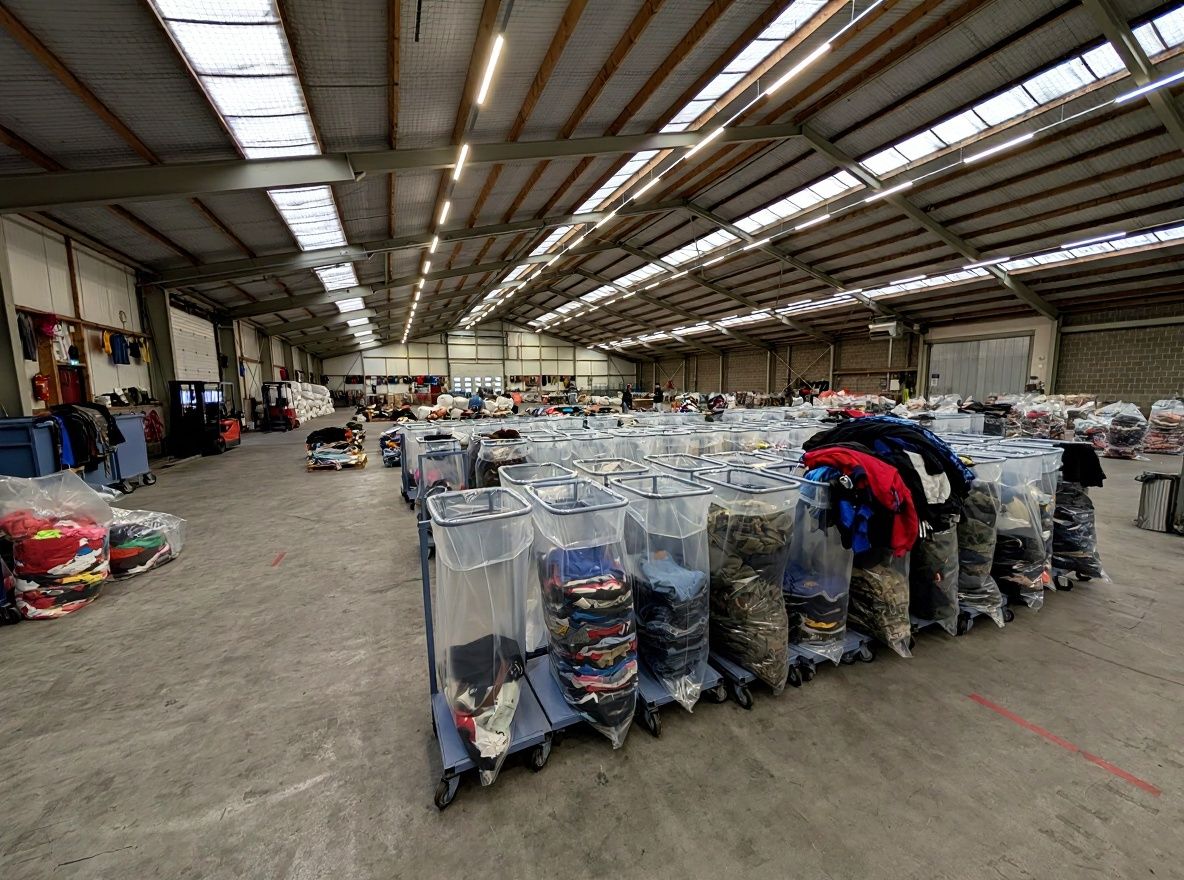
That is how Excellent Vintage works. Bales and bags are sorted in the partner factories before the container even ships. A 45 kg bale averages 70% grade A / 30% grade B; a 25 kg "mix premium US" bag runs around 90% A / 10% B. Those ratios are not a marketing promise, they come out of the sorting process, not a slogan.
There is a second layer beginners often miss: the difference between buying by weight and buying by piece. Some bales are sold per kilo (the kg maths above applies). Others are sold as a fixed piece count, for example 200 Ralph Lauren shirts or 100 Tommy sweaters, where the weight is not exactly 45 kg and the stated count is the honest figure. For a per-piece bale you should never apply the kg-to-pieces conversion, you get exactly the number quoted.
Want to understand exactly what grade A, B and C mean before you choose? Start with how vintage grading works, so you know which questions to ask on the floor.
What should you buy? Decide on strategy, not price
The mistake most beginners make is choosing on price per kilo. The right question is: which sales channel am I feeding, and how much sorting time do I have?
Segment by your strategy:
- Volume play → bale. Selling mono-brand or mono-category at scale (think 200 Ralph Lauren shirts, or a bale of Carhartt workwear) on Vinted, Depop or Whatnot? A bale at ~70/30 A/B fits. Your margin comes from the volume, and pre-sorting by brand keeps it manageable.
- Niche play → 25 kg "mix premium US" bag (~90/10). Specialising in one category, say Hawaiian shirts, and want a higher grade with less waste? The smaller, higher-graded bag makes more sense. It also feeds thrift shops and markets.
- Testing the water → 12.5 kg half-bag. Same logic, smaller spend, to trial a brand first.
In all three, the rule holds: choose your position on both axes deliberately. Weight sets your volume; sorting sets how much work and risk you take on yourself. "Cheap per kilo" is only cheap if you value your own hours at zero, and no reseller who wants to scale actually does.
Not sure which format fits you? Send Patrick your brand and sales channel, and the right stock is ready when you arrive. Reply within 1 hour, Mon–Fri. WhatsApp Patrick →
Why Excellent Vintage sells sorted heavy bales
The market often forces a false choice: either cheap and raw, or expensive and small. The Excellent Vintage model is deliberately a third option, sorted heavy bales. You get the volume of a large bale and the predictability of pre-sorting by brand and grade. You do not have to choose between scale and certainty.
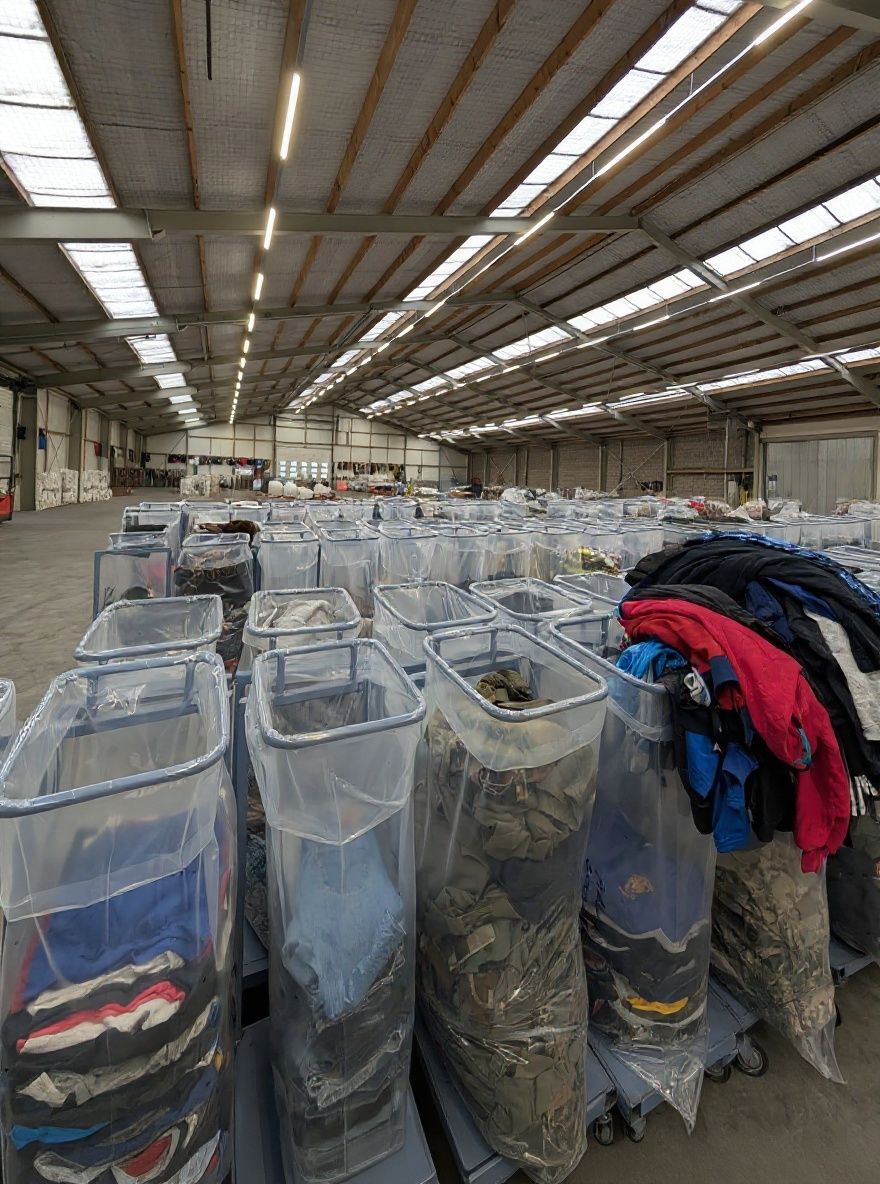
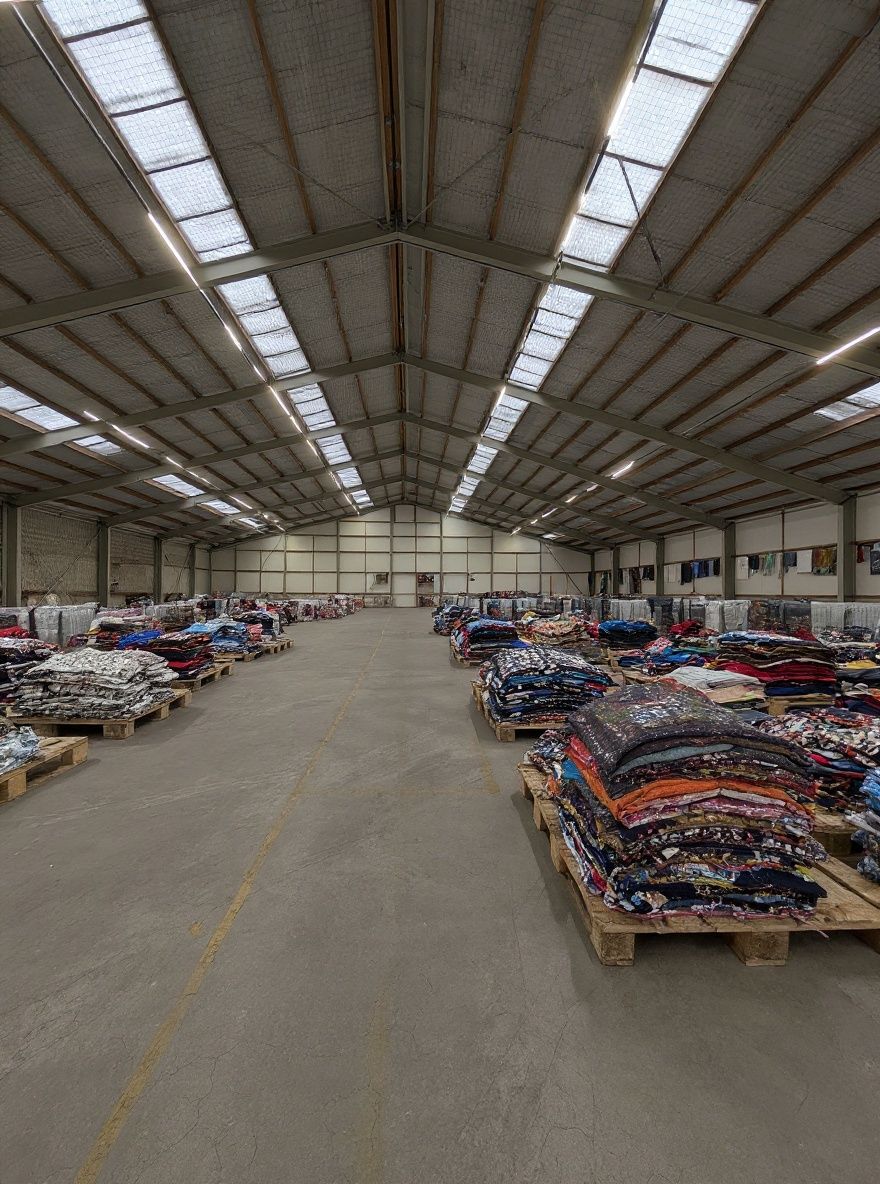
That works because here it is not a side activity. The team processes 15 to 20 tonnes of secondhand clothing per month and brings in 14 containers a year through three partners in the US and six in Europe. Patrick, with 32 years in the trade, sorts and prepares the bales in the 2,500 m² warehouse in Bovenkarspel and welcomes every visitor personally. The business has run on the same transparency since 2012: no hidden filler, no surprises at the bottom of the bale.
In practice: you choose by brand and grade, VAT reverse charge, and a visit
Two things that make the model concrete.
First, you select bales and bags, composed by brand and grade. At 15 to 20 tonnes processed a month, you choose at the level that matters: brand, format, grade. Picking piece by piece simply does not scale, and is not in your interest either. The preparation handles the rest.
Second, the cost structure. As an EU business with a valid VAT number, you buy under VAT reverse charge (btw verlegd): you pay no Dutch VAT at purchase and account for it yourself. Everything is sold as seen on the floor, and the minimum order is €500 excl. VAT, roughly one mid-tier bale or two lighter formats.
Want to see how format, grade and season set the price? Read how much a clothing bale costs in the Netherlands. And to see the difference between raw and sorted in person, a warehouse visit is the fastest way to get your sourcing right.
Frequently asked questions about heavy bales and sorted clothing
What is the difference between a heavy bale and sorted clothing? A heavy bale describes the format: a large, compressed bale of clothing, often around 45 kg. "Sorted" describes the contents: picked through in advance by brand, category and grade. They are two separate properties, a heavy bale can be either unsorted or sorted. The real choice is about how much volume you want and how much sorting you do yourself.
Is unsorted clothing cheaper than sorted? Yes, per kilo. But the lower price means you take on the sorting work: assessing, cleaning, photographing and binning the unsellable pieces. Once you count your own hours, "cheap" is relative.
What should I buy as a beginner? It depends on your channel, not the price. Selling mono-brand at volume (Vinted, Depop, Whatnot) suits a sorted bale at ~70/30 A/B. Specialising in one higher-grade niche suits a 25 kg "mix premium US" bag at around 90/10. To test first, start with a 12.5 kg half-bag.
How many pieces are in a 45 kg bale? For a by-weight bale it depends on the category: roughly 225 t-shirts, 90 sweatshirts or 31 pairs of jeans. Note that some bales are sold by piece (for example 200 Ralph Lauren shirts), and for those the kg conversion does not apply, you get the stated count.
Do I have to sort the clothing myself at Excellent Vintage? No. Bales are sorted by brand and grade before the container ships. You choose at brand, format and grade level, not piece by piece. That is the difference between buying predictability and buying an unsorted gamble.
What do the numbers 70/30 and 90/10 mean? They describe the grade composition. A 45 kg bale averages 70% grade A (no defect) and 30% grade B (minor defect). A 25 kg "mix premium US" bag runs around 90% A / 10% B. Grade C (serious defects) is not part of these standard lots.
Conclusion: choose your position, not a slogan
"Heavy bales vs sorted clothing" is not a real opposition. They are two dials you set independently: weight for volume, sorting for predictability. Once that clicks, you stop buying the label on a webshop and start buying for how you actually sell.
For a reseller who wants to scale, the combination that usually wins is a sorted heavy bale: the volume to make margin, with the predictability to keep your weekend. Want to judge that yourself? See our wholesale offer or read who we are since 2012, and come see the bales with your own eyes.
Book your warehouse visit 2 exclusive hours on the bale floor in Bovenkarspel, sorted by brand and grade. No deposit. Patrick calls you the day before. Book a visit →
Further reading
- How to buy your first vintage clothing bale — the step-by-step guide to your first purchase
- Vintage clothing grading: grade A, B and C explained — so you can judge a bale's composition
- How much does a vintage clothing bale cost in the Netherlands? — how format, grade and season set the price
- Visiting a vintage wholesale warehouse: what to expect — see raw versus sorted in person
Ready to buy?
Visit our warehouse · no deposit required · free cancellation.