Vintage clothing grading: Grade A, B and C explained for resellers
Every wholesaler in the secondhand clothing trade talks about Grade A. The problem is that Grade A doesn't mean the same thing everywhere — and some suppliers use grading terminology without ever…
By Patrick Libanon — founder, Excellent Vintage · Bovenkarspel, since 2012
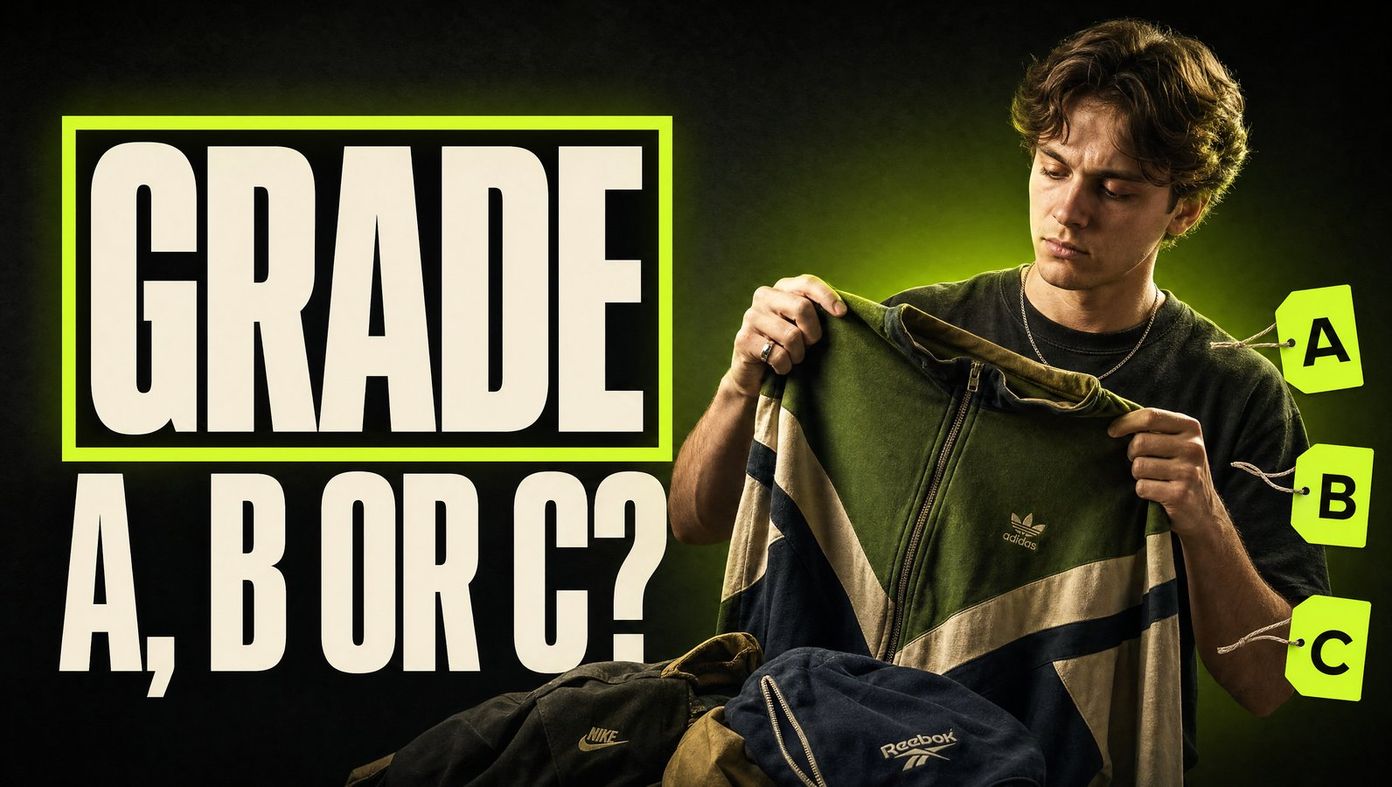
Every wholesaler in the secondhand clothing trade talks about Grade A. The problem is that Grade A doesn't mean the same thing everywhere — and some suppliers use grading terminology without ever telling you what percentage of each grade you'll actually get in a bale.
This guide covers the grading system as it works in practice: what each grade means, how to read a bale's actual composition, and the warning signs that a supplier's grade claims don't hold up. The data points here come from Excellent Vintage's warehouse in Bovenkarspel, where Patrick has been buying and sorting containers since 2012.
What grading actually means in the secondhand clothing trade
Grade A vintage clothing has no visible defect — ready to list. Grade B has a minor visible flaw that doesn't prevent wear. Grade C is seriously damaged (holes, bleach staining). A standard 45 kg bale at Excellent Vintage averages 70% Grade A and 30% Grade B. Grade C is excluded from all standard formats.
The grading system exists because bulk secondhand clothing arrives from sorting centres in mixed quality. Without a shared standard, every transaction between wholesaler and reseller becomes a lottery. With one, both sides can price, negotiate, and plan margins before a container is even opened.
The A/B/C terminology consolidated in the late 1990s and early 2000s as Eastern European and North African sorting centres scaled up. Before that, terms varied by region: "cream," "first quality," "second," "rag," "mixed." Today most of the European wholesale market runs on A/B/C, though you'll still hear "cream" in some circles as an informal term for near-mint garments that exceed typical Grade A standards.
Grade A, B and C: what each label means on the warehouse floor
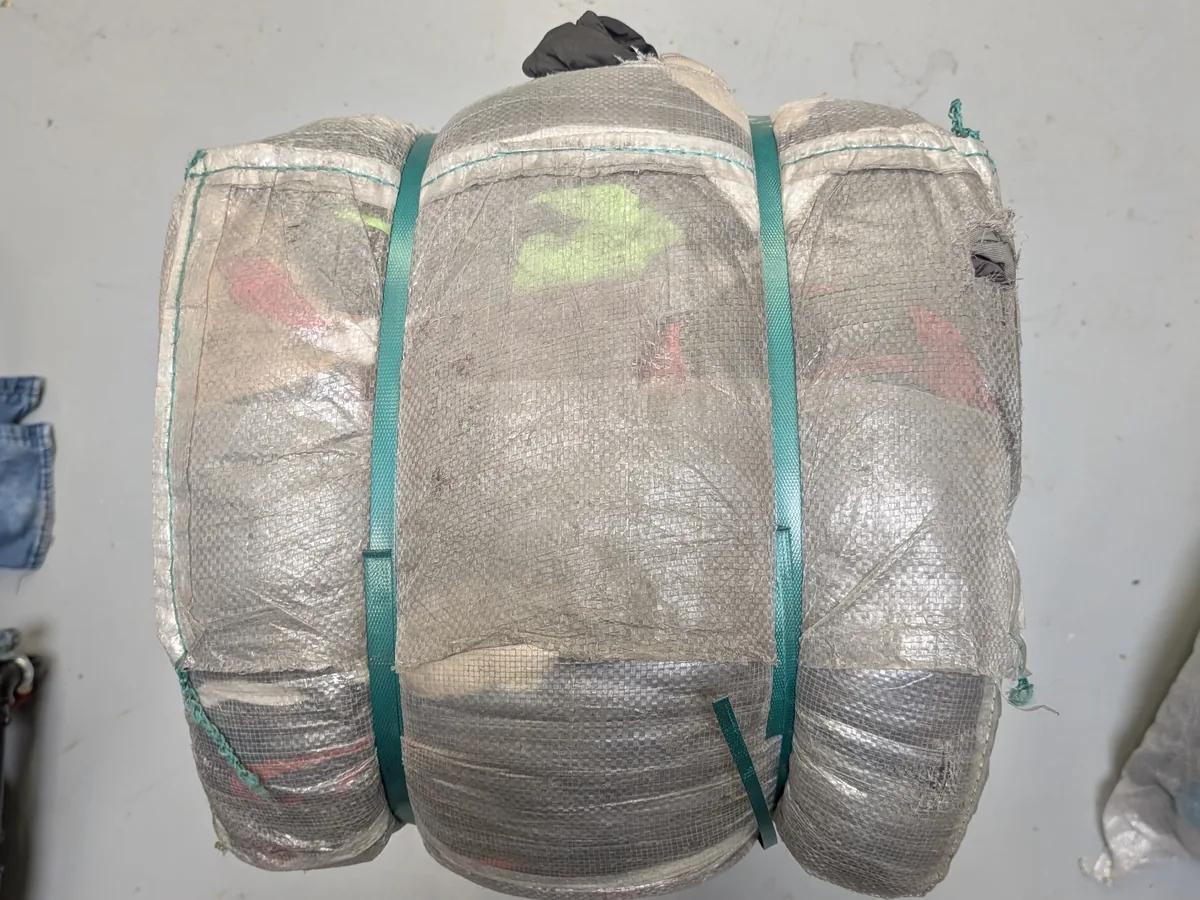
Grade A — no visible defect
A Grade A garment is ready to photograph and list on Vinted, Depop, or your own webshop without inspection. No holes, no persistent stains, no broken seams, no structural damage. Mild signs of age — very slight fading from repeated washing, gentle pilling on cuffs — fall outside the grading framework as long as they don't affect wearability.
The boundary is precise rather than vague. At Excellent Vintage, a Ralph Lauren polo with a faint oxidation mark on the inside of the collar is Grade A. The same mark on the outside collar: Grade B. The rule is whether a buyer would notice it during normal wear. Patrick, who has 32 years of experience in the sector, applies that boundary consistently across every container that arrives at the Bovenkarspel warehouse.
Grade B — visible flaw, still sellable
Grade B means the flaw is visible but the item is wearable and marketable on secondhand platforms. Common examples:
- a small but permanent stain on a visible area (chest pocket, shoulder)
- moderate pilling across the back of a sweatshirt
- a thin spot in the fabric where the structure hasn't fully broken through
- a faded print that doesn't affect fit or wear
- a visible repair that's been neatly done but remains noticeable
Grade B items are not waste. A Carhartt Detroit Jacket graded B with a small stain on the sleeve still sells for €40–65 on Vinted when you describe the flaw accurately and photograph it close up. Buyers on Vinted know they're buying secondhand — they respond well to honesty, and an accurate description prevents disputes. What kills trust is discovering a stain after it arrives.
The most common mistake with Grade B stock: setting it aside to deal with later. It piles up, takes space, and earns nothing. Sort it on the same day you open the bale, photograph it immediately, and list it at 30–40% below comparable Grade A pricing. On volume, Grade B contributes meaningfully to your margins.
Grade C — too damaged to resell as clothing
Grade C garments have serious defects: large holes, heavy bleach stains, burn damage, or tears that make the item unwearable. At Excellent Vintage, Grade C is sorted separately at the supplier level and does not enter standard bales or bags.
What happens to Grade C in the supply chain: industrial use (cleaning rags, insulation fill) or specialist upcyclers who work with fabric panels for patchwork or re-dye projects. If you're running a patchwork or upcycle line, some suppliers sell Grade C separately and specifically. For standard Vinted or Depop reselling, it's not a relevant purchasing category.
The numbers that actually matter: grade composition by format
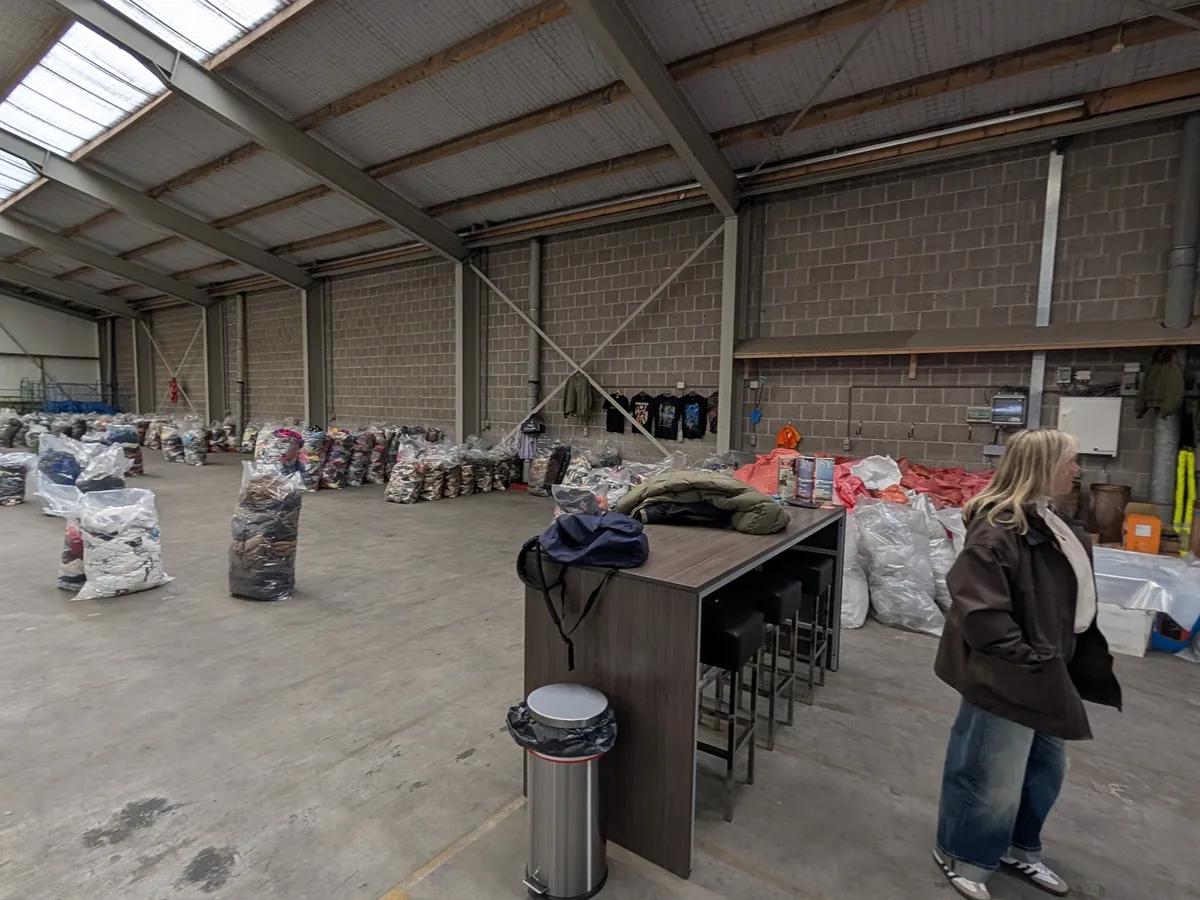
Grade definitions matter less than what you actually receive in a bale. Suppliers can describe their grading standards in detail while consistently delivering a different A/B ratio than what they imply.
At Excellent Vintage, the average grade composition by format is as follows:
Grade C is absent from all standard formats. That's not a given in the market. Some suppliers use Grade C to make weight — padding bales with unsellable items to hit the contracted weight per unit price. After more than a decade and 14 containers per year from the same three US and six European sourcing partners, that problem simply doesn't exist in our supply chain. The relationships are built on consistency over volume, not on winning a single transaction.
In practice, from a 45 kg bale of Ralph Lauren shirts (4 pieces per kg, approximately 180 pieces): you'd average around 126 Grade A pieces and 54 Grade B pieces. Those numbers let you calculate your per-item economics before you ever place an order. Our bale profit calculator runs the margin numbers if you want to build a model.
Red flags: when a supplier's grading claims don't add up
Grading terminology is easy to claim and hard to verify from a distance. Here are the patterns that suggest a supplier's grade breakdown isn't what they're telling you.
"Grade A only" with no mention of B or C. Real sorting produces a range of grades. A supplier claiming 100% Grade A on mixed bales is either using a very loose definition of Grade A, mixing grades without disclosing it, or cherry-picking only the highest items — in which case where does the rest of their stock go? Ask directly: "What percentage Grade A versus Grade B do you typically see in a 45 kg bale?" A reliable supplier answers that question precisely.
No option to inspect before purchase. Every serious wholesale supplier allows warehouse visits or, at minimum, video calls showing actual stock. If the only option is buying from a catalogue or website with no physical visit, you have no way to verify grade claims. That's a risk, not a business model.
Grade C in the bales. If you've opened bales from a supplier and found items with large holes or bleach staining, that supplier is either grading loosely or deliberately mixing in Grade C. Both are signs the grade claims aren't reliable.
Inconsistency between visits. A supplier whose Grade A looks excellent on your first visit but deteriorates on the third is cutting corners on sorting as they get comfortable with the account. Grade consistency over time is the real test.
Reluctance to answer composition questions. A direct question about the average A/B ratio should get a direct answer. Vague responses about "high quality" or "mostly Grade A" without specifics indicate either that they don't track it — which means they can't guarantee it — or that the actual ratio isn't something they want to commit to.
Which grade mix fits your reselling strategy?
The right format depends on where you sell and who your buyer is.
Volume reselling on Vinted, Depop, or Whatnot → standard bale (70/30 A/B)
If you're listing 150–200 items per week and want to move volume, the 70/30 A/B ratio in a standard bale works well. You price Grade A at standard market rate and Grade B at 30–40% below. Everything moves; the margin per item is lower on Grade B but volume compensates at scale.
Mono-brand bales — one label per bale — are the engine of this model. A bale of 200 Ralph Lauren shirts gives you a uniform category to photograph, list, and price efficiently. Visit the warehouse and Patrick will walk you through which products come per piece (with a fixed number per bale regardless of weight) versus per kilogram (with a target weight). That distinction matters for your margin calculation.
How to buy your first vintage clothing bale covers the practical steps for first-time buyers, including which formats to start with.
Niche specialisation or friperie supply → bag 25 kg (90/10 A/B)
If you work in a specific niche — Hawaiian shirts, vintage workwear, 90s fleece — or if you supply a physical friperie where customers handle items in-store, the premium US mix bag with 90/10 A/B is the right format. Less volume, higher Grade A concentration, less sorting time.
Physical friperie buyers have higher tolerance for Grade B than Vinted buyers on certain items, but much lower tolerance on others. A slight stain on a €15 t-shirt gets ignored; a visible stain on a €90 Carhartt loses the sale. The 90/10 A/B bag reduces the risk on the high-value end of your range.
What visiting a warehouse actually tells you about a supplier's grading
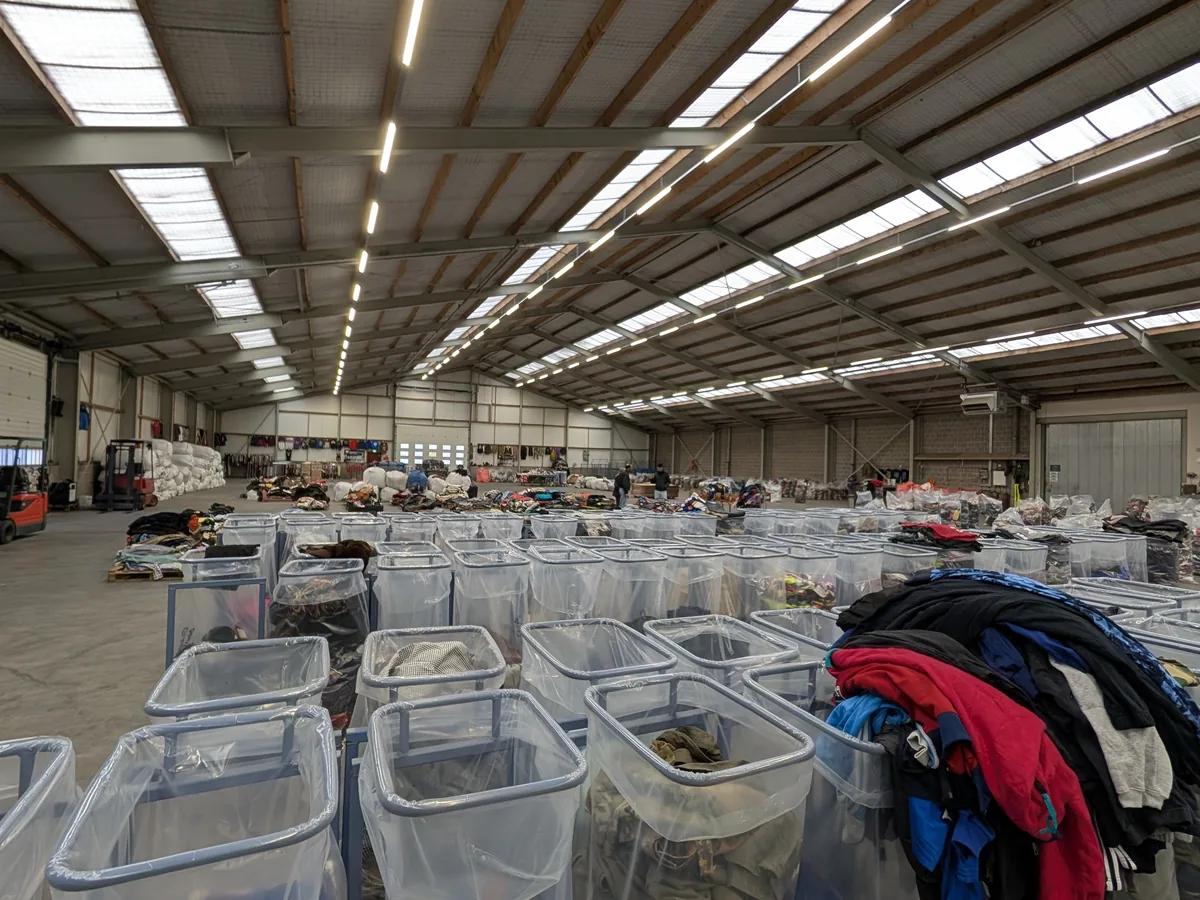
A warehouse visit is the fastest way to verify a supplier's grade claims and understand their sorting standards. What to look for:
Pre-sorted bales. At Excellent Vintage, every bale is pre-sorted by brand and category before you arrive. You don't open a mystery box — you're shown what's in each bale, and Patrick explains the composition per batch. If a supplier's bales are sealed and you're not allowed to inspect them before purchase, that's your answer.
Consistency within a bale. Open a bale and pull out ten random pieces. If they're consistent with the stated grade, the sorting standard holds. If Grade A pieces have obvious visible flaws, the definitions don't match the claims.
Grade B handling. Ask where the Grade B pieces go. A serious operation handles them transparently — they're either in a separate mix, priced accordingly, or processed into a different product line. If there's no clear answer, Grade B is probably being mixed into Grade A stock quietly.
Volume and throughput. A supplier processing 15–20 tonnes per month with consistent sourcing partners has enough volume to maintain stable quality standards. Lower-volume operations tend to have more inconsistency because they're drawing from more varied sources with less consistent sorting.
Excellent Vintage processes 15–20 tonnes per month at the Bovenkarspel warehouse and has worked with the same three US and six European sourcing partners for over a decade — relationships built through more than 14 years of operations. That consistency over 14 years of operations is reflected in the grade breakdown customers can expect visit after visit.
FAQ
What is the difference between Grade A and Grade B vintage clothing? Grade A has no visible defect and is ready to list as-is. Grade B has a visible minor flaw — a small stain, moderate pilling, or a faded print — that doesn't prevent wear but reduces resale value. Both grades are sellable on platforms like Vinted and Depop, with Grade B typically priced 30–40% below comparable Grade A items.
What percentage Grade A is in a typical vintage clothing bale? At Excellent Vintage, a standard 45 kg bale averages 70% Grade A and 30% Grade B. The 25 kg premium US mix bag averages 90% Grade A and 10% Grade B. Grade C — items with serious damage — is sorted out before baling and is not included in any standard format.
Can you sell Grade B vintage clothing on Vinted? Yes. Grade B sells consistently on Vinted when you describe the flaw clearly and include a close-up photo of the defect. Buyers on Vinted understand they're buying secondhand; they're not expecting mint condition items. What they won't tolerate is discovering a flaw that wasn't disclosed — accurate descriptions prevent disputes and build repeat buyers.
What is Grade C vintage clothing? Grade C is clothing with serious defects: large holes, major bleach staining, burn marks, or damage that makes it unwearable as clothing. Grade C is typically sold to industrial textile processors for cleaning rags or insulation fill, or to specialist upcyclers working with fabric panels. For standard Vinted or Depop reselling, Grade C is not a purchasing category.
How do I know if a vintage clothing supplier's grade claims are accurate? Ask for the specific A/B/C breakdown they average per bale. Visit the warehouse and inspect actual stock before purchasing. A reliable supplier answers the composition question directly and allows physical inspection. Vague answers about "high quality" without specific percentages, or policies that prevent warehouse visits, are red flags.
What is the difference between a vintage bale and a bag in terms of grade quality? At Excellent Vintage, a bale (45 kg) has an average 70/30 A/B split, designed for volume resellers who work across multiple price points. A bag (25 kg premium US mix) has a 90/10 A/B split, suited for specialists or friperies that need a higher concentration of near-defect-free items. Both exclude Grade C entirely.
Read more
Ready to buy?
Visit our warehouse · no deposit required · free cancellation.