The Best-Selling Vintage Brands on Vinted in 2026
The brands that resell reliably on Vinted are not a secret and not a trend: heritage like Ralph Lauren and Tommy Hilfiger always moves, workwear like Carhartt and Levi's turns the fastest, and sport…
By Patrick Libanon — founder, Excellent Vintage · Bovenkarspel, since 2012
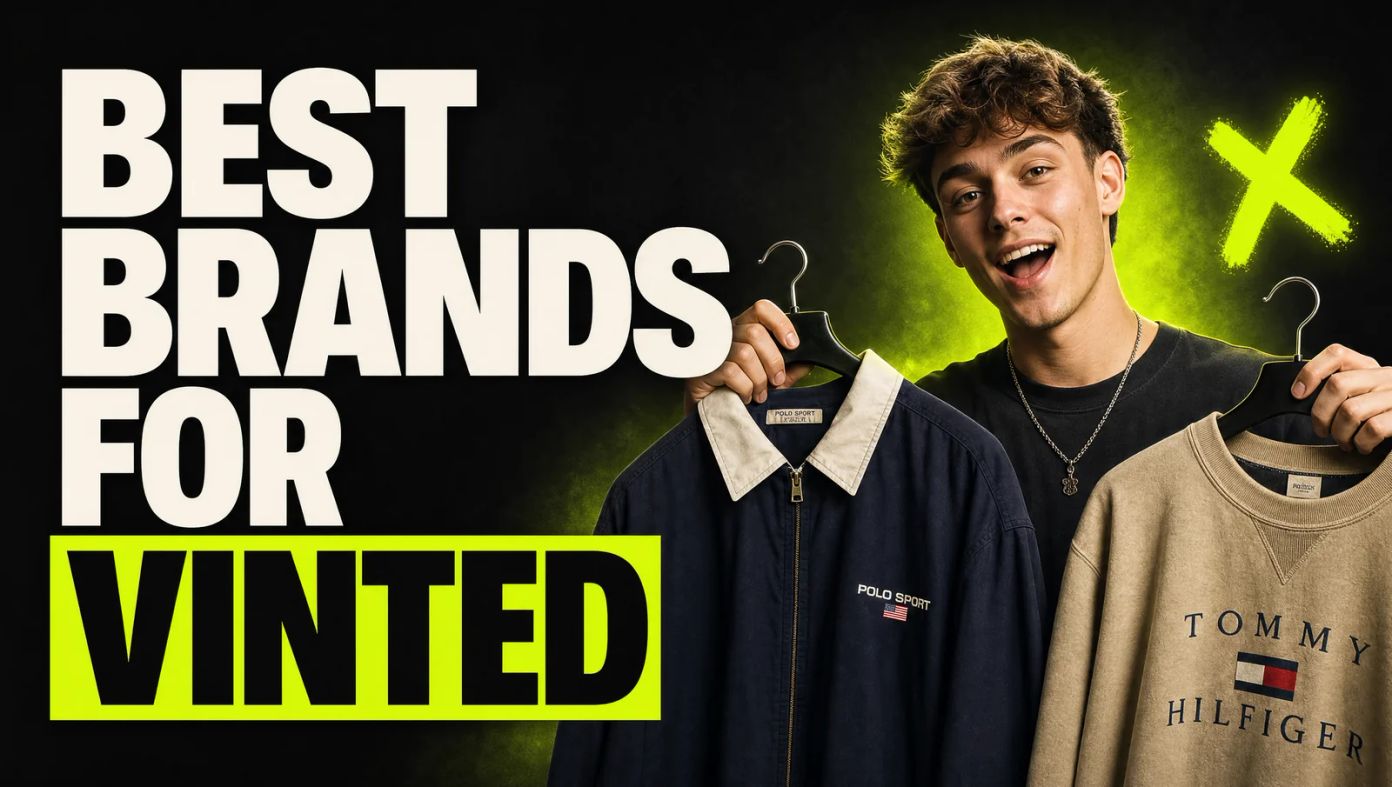
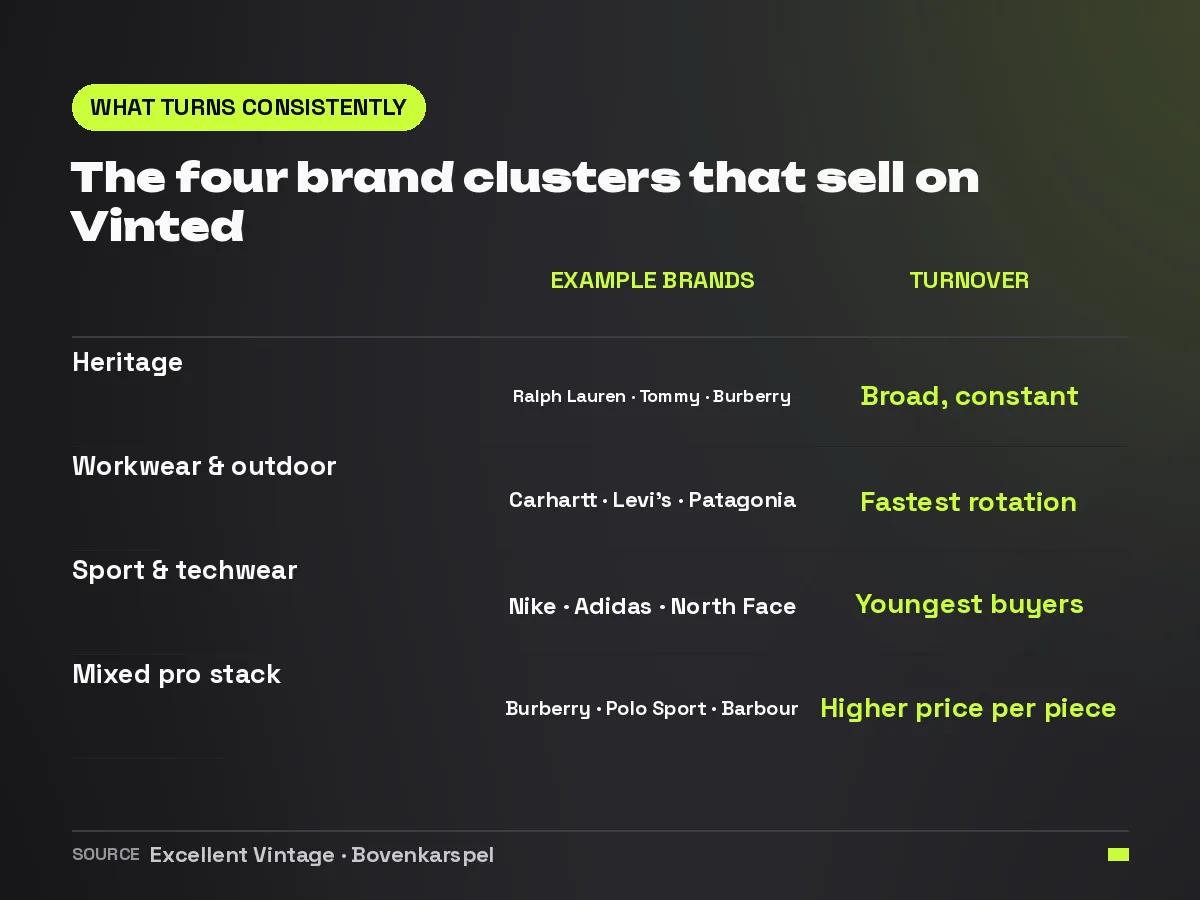
The brands that resell reliably on Vinted are not a secret and not a trend: heritage like Ralph Lauren and Tommy Hilfiger always moves, workwear like Carhartt and Levi's turns the fastest, and sport and techwear from Nike, Adidas and The North Face pulls the youngest buyers. The real question is not which brands sell, but which of them you can safely buy in volume. That is the answer I can give you from the sourcing side.
Most "best brands for Vinted" lists are written for the buyer: search these names and you might land a bargain. Useful if you want one piece, useless if you are a reseller who has to turn over stock month after month. What you need is the wholesaler's view: which brands come in every month, which ones leave fastest, and which one you can therefore buy in a sorted bale without gambling. That is a different conversation, and it is exactly the one Excellent Vintage has been having since 2012.
Why a wholesaler reads "best brands" differently than a list does
A TikTok or a blog can tell you a brand is hot. A wholesaler sees something no trend clip shows: repetition. We process 15 to 20 tonnes of secondhand clothing a month and bring in 14 containers a year through three partners in the United States and six in Europe. When the same brand comes back container after container and gets re-ordered every month by resellers, you know it is not a spike but a pattern. That pattern is more useful than any trend forecast.
The key word is "consistent". A brand can go viral for a few weeks and then collapse, which is poison for a reseller who just bought a full bale of it. The brands below have the opposite property: they have sold for years, in good months and slow ones, because their audience does not disappear. That is what makes a brand buyable in volume. Not the hype, but the floor under the demand.
There is a second layer a buyer's list ignores: condition and sorting. A Ralph Lauren shirt only resells if it also looks the part. So the question "which brand?" is inseparable from "in what grade, and how sorted?". A brand in a raw, unsorted mix is a gamble; the same brand in a bale sorted by grade is a calculated purchase. I explain that distinction in how vintage grading actually works, and it decides whether a "good brand" actually makes you money.
Cluster 1: heritage, the brand that always resells
Heritage is the backbone of any reseller's stock. Ralph Lauren, Tommy Hilfiger, Burberry and Barbour form the group that appeals to the broadest audience on Vinted and Depop and never really falls out of fashion. A Ralph Lauren polo or shirt is instantly recognisable to a buyer, reliable in fit, and wearable outside any microtrend. That makes heritage the safest first bale: you sell to the largest group of people, not to a niche taste that is gone next month.
The textbook example I always give resellers is the Ralph Lauren Polo Bear. One of those sweaters is enough to stop a livestream in its tracks: the piece sells itself and pulls attention to your whole shop. That is the power of heritage with a recognisable icon in it. You do not have to sell a story; the brand already does. For a beginner who is still learning to photograph and price, that is a huge advantage: less explaining, faster selling.
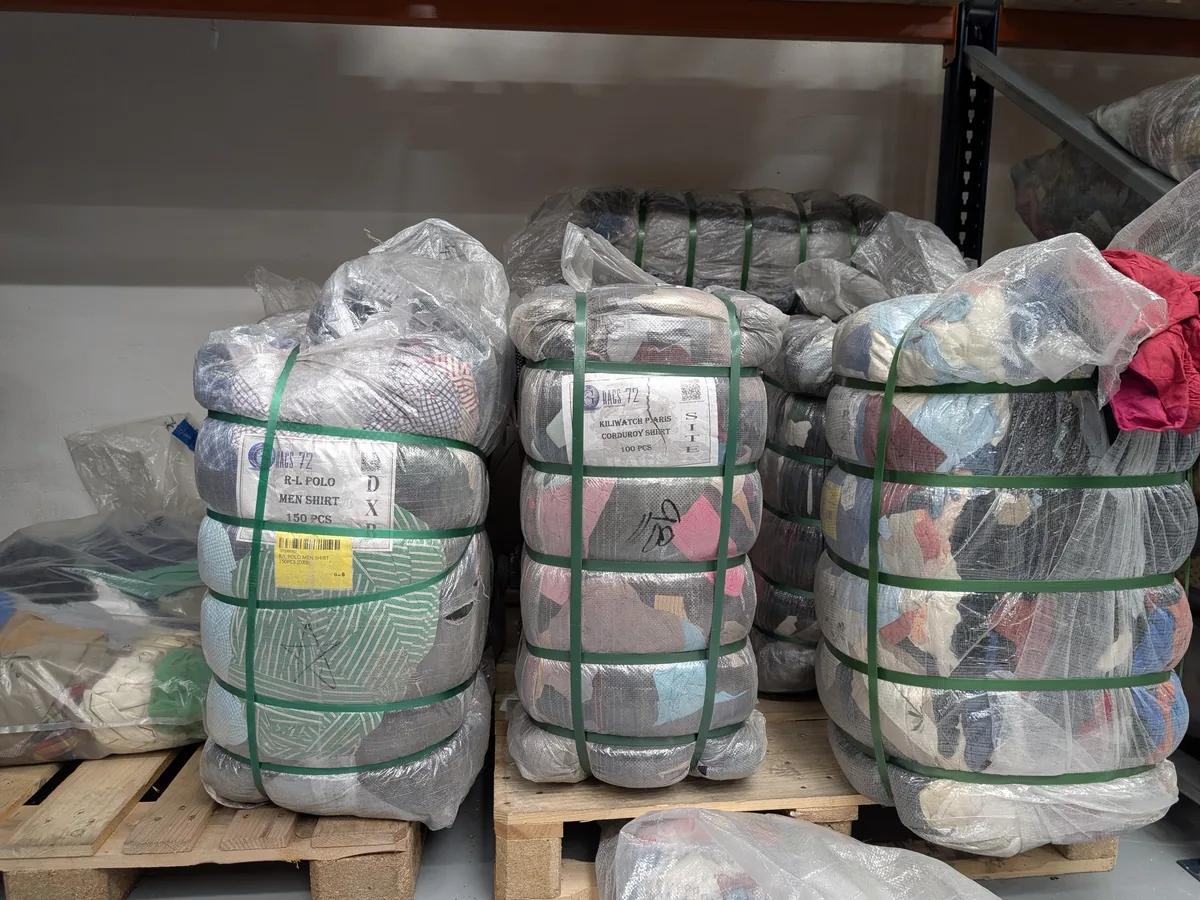
One thing to know when you buy heritage in volume: a large part of it is sold by piece, not by weight. A bale of Ralph Lauren shirts, for example, comes as a fixed count of 200, and Tommy sweaters per 100. The weight is then not exactly 45 kilos; the stated count is the honest figure. So for a by-piece bale you never apply the kilo-to-pieces maths, you get exactly what it says.
Cluster 2: workwear and outdoor, the cluster that turns fastest
If you want your stock to rotate faster, workwear is your cluster. Carhartt, Levi's and Patagonia are the names that move hardest for us, week after week, through both livestreams and physical shops. The reason is simple: this is clothing people actually wear, not just collect. A Carhartt jacket or a pair of Levi's crosses generations and styles, from students to tradespeople to vintage lovers, and that broad wearability translates straight into selling speed on Vinted.
For a reseller watching cash flow, turnover speed matters more than margin per piece. A brand that sells in two weeks at a decent margin beats a brand that sells in three months at a higher margin, because your money is tied up for less time and you can reinvest sooner. Workwear is therefore the cluster I often use to help beginners scale: you learn a rhythm of buying, listing and selling without half a bale sitting in your living room for months waiting for the right buyer.
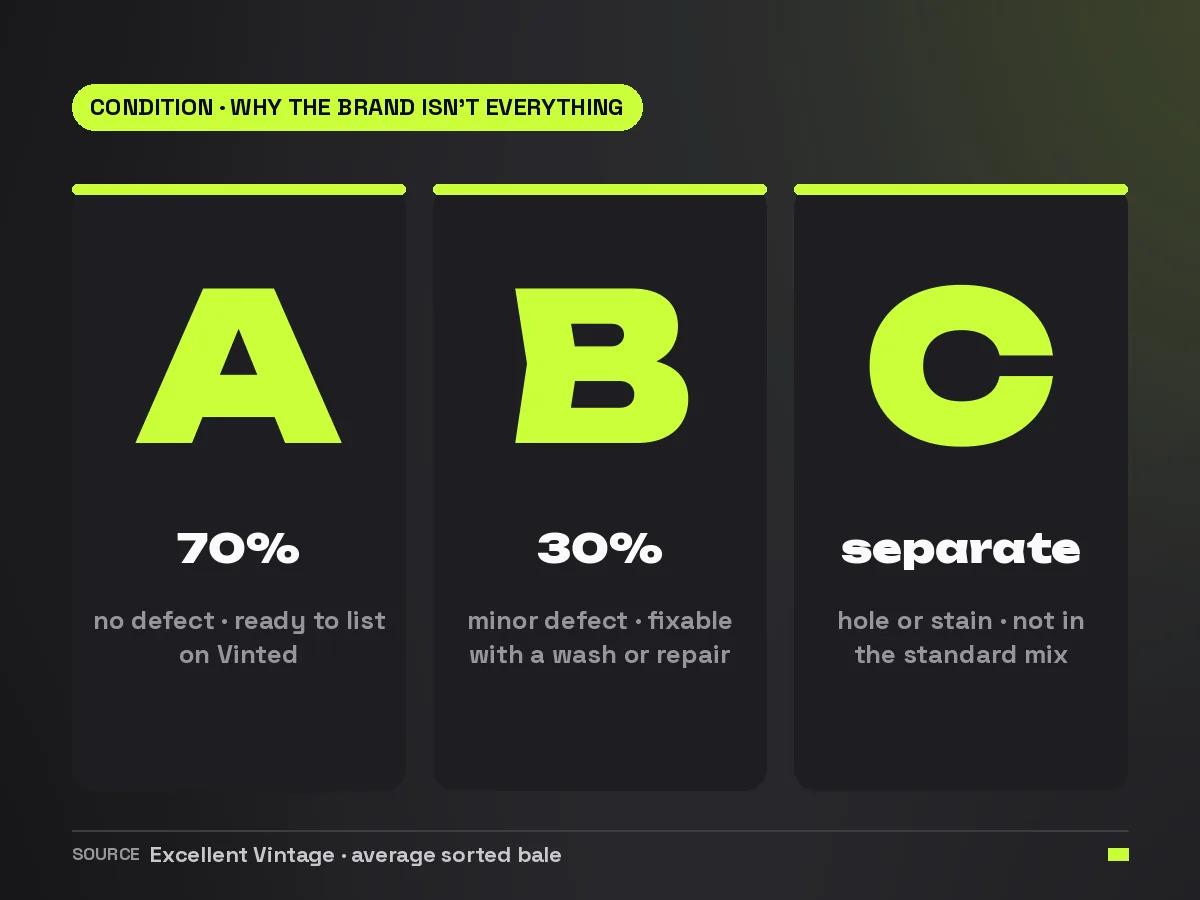
Do watch condition, especially with workwear. A worn Carhartt can have charm and sell as "well-worn", but a hole or a serious stain is a different story. That is why the grade you buy in matters so much: a sorted bale tells you in advance how much is ready to sell and how much needs work. With us, an average bale runs around 70% grade A and 30% grade B, and that ratio shapes your working day more than the brand itself.
Which brand moves in your shop? Match your sourcing Tell Patrick which brand and category sell hardest on your Vinted, and the right sorted stock will be ready. Reply within 1 hour, Mon–Fri. WhatsApp Patrick →
Cluster 3: sport and techwear, for the youngest audience
The youngest part of the Vinted and TikTok crowd looks for something other than heritage. Nike, Adidas and The North Face are the brands that pull this audience, often in specific lines: Nike Tech, ACG and Jordan, Adidas Originals and Y2K pieces, and the North Face Nuptse puffer that comes back every winter. This is the cluster that moves in bulk over livestreams and TikTok Shop, where pace and volume matter and where one well-searched name can carry a whole drop.
What makes this cluster distinctive for a reseller is search intent. Buyers of sport and techwear often search very specifically for a model or a line, not just the brand. That means your listings get rewarded when you use the right terms: not just "Nike", but "Nike Tech Fleece" or "TNF Nuptse". Demand is high and concrete, which drives selling speed, but it does require that you know what you are holding. A sorted bale helps here, because you buy by brand and category instead of on a raw gamble.
The flip side is that this cluster is more sensitive to fakes and to taste shifts than heritage. A hype model can spike fast and cool off again. So I recommend pairing sport and techwear with a stable heritage base rather than building your whole stock on it. That way you catch the fast money from the hype without your shop collapsing when a trend ebbs. How much a mix like that realistically earns, I work out in how much you can earn reselling vintage clothing.
Cluster 4: the pro stack, where margin per piece is higher
Beyond speed there is a cluster built on value per piece. Burberry, Polo Sport, Barbour and The North Face form what I call the pro stack: brands that justify a higher price per piece on a boutique-style Depop shop. This is not a volume play but a margin play. You sell fewer pieces, but each one earns more, and you build a shop with a clearer profile that buyers come to on purpose.
This cluster gets interesting once you have your first months behind you and know how to photograph, describe and price. A Burberry sweater or a Barbour wax jacket does not sell to everyone, but it does sell to a buyer willing to pay up for the right piece in the right condition. That demands sharper condition standards, so grade A weighs even more heavily here than in the other clusters. A sorted, higher-graded purchase, such as a "mix premium US" bag that averages around 90% grade A, fits this game better than a raw volume bale.
The mistake I see resellers make here is stepping into the pro stack too early. Do not start with Burberry while you are still learning to sell; start with heritage or workwear, get to know your shop, and add the pro stack once you know which audience you attract. The order of the clusters is also a growth path, and I map that route out in full in the complete guide to buying vintage wholesale for Vinted.
The real selection method: pick by your own data, not my list
Here is the warning every brand list should open with but never does: the best brand to resell is not the one I rank highest, but the one that already sells in your shop. Open your sold items on Vinted and read what actually moved, in which category and size, at what price. That is your purchase order, written by your own buyers. My four clusters tell you which brands are consistently buyable; your data tells you which of those brands you should start with.
Only where those two overlap do you buy a bale. Does heritage sell well for you? Then a sorted bale of Ralph Lauren or Tommy is a logical, predictable step. Are your Carhartt pieces moving hardest? Then go into workwear. The point is that you never buy a bale of a brand you think is cool but that your buyers have never bought from you. Predictability comes from the overlap between my clusters and your sales history. The step-by-step plan for choosing that first bale is in how to start Vinted reselling with bales.
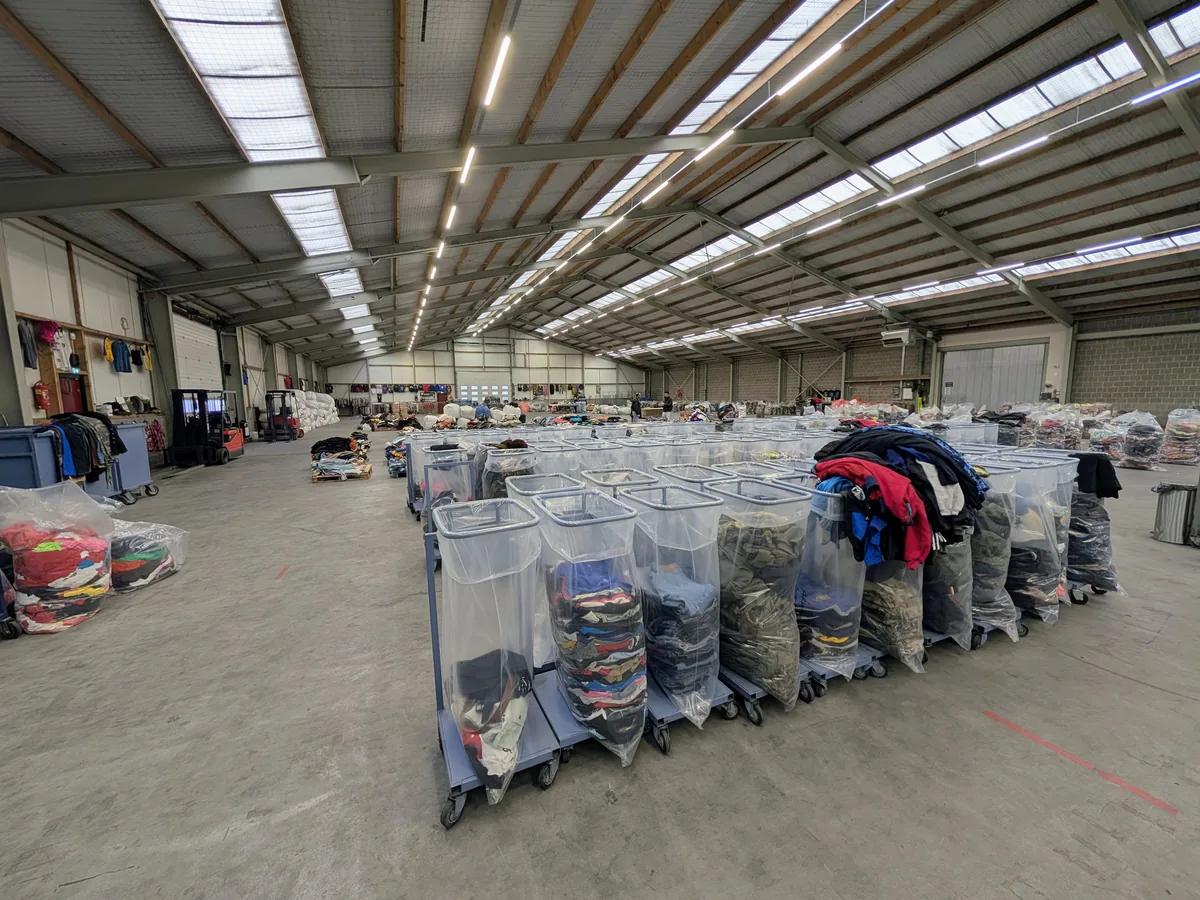
See which brands are on the bale floor now Want to compare by brand and grade before you pick a bale? Book 2 hours in Bovenkarspel. No deposit, free cancellation up to 24 hours before, and Patrick calls you the day before. Book a warehouse visit →
How to buy a "good brand" without gambling
Choosing a brand is step one; buying it so it actually pays off is step two. The difference is sorting. With a raw, unsorted mix you get a bit of everything and have to hope the brand you want is in there in enough quantity. With a sorted bale you buy deliberately by brand, category and grade, and you know in advance what you are holding. For a reseller building on a specific cluster, that is the difference between a calculated purchase and a lottery. The full difference between raw and sorted I cover in heavy bales vs sorted clothing.
The practical side: with us, bales are pre-sorted by brand and grade before your visit, so on the floor you choose bales, not individual pieces. At 15 to 20 tonnes a month, hand-picking piece by piece is simply impossible, and it does not need to be: the sorting does the legwork. Patrick, with 32 years of experience in the trade, prepares those bales in the 2,500 m² warehouse in Bovenkarspel and welcomes every visitor personally. No hidden filler, no surprises at the bottom of the bale, just the transparency the company has worked with since 2012.
For buyers crossing the border from Germany or Denmark, the commercial side is straightforward: as a business with a valid VAT number you buy under reverse charge (btw verlegd), and inside the EU there are no import duties. Beyond that general principle I will not go here; for your specific situation, consult your accountant, because I do not invent tax rules. The full wholesale offer, with all brands and formats, is laid out on the wholesale page.
Frequently asked questions about the best brands on Vinted
Which brands sell fastest on Vinted?
Workwear and outdoor turn hardest for us: Carhartt, Levi's and Patagonia. This is clothing people wear rather than collect, so demand is broad and constant. Heritage like Ralph Lauren sells the broadest, while sport and techwear (Nike, Adidas, The North Face) appeals fastest to the youngest audience.
What is the best brand for a beginner reseller?
Heritage, because it sells to the broadest audience and is least sensitive to trends. A Ralph Lauren or Tommy piece is instantly recognisable and wearable outside any microtrend, so you sell faster while you are still learning to photograph and price. Do not start with the pricier pro stack like Burberry before you know your shop.
Should I pick by a trend or by my own sales data?
By your own data. Open your sold items on Vinted and look at which brand, category and size actually moved. That is more reliable than any trend video. Use a brand list only to check which of your best-selling brands you can consistently buy in volume.
Do designer and luxury brands sell well on Vinted?
Pro-stack brands like Burberry and Barbour earn a higher price per piece, but sell to a smaller, more specific audience. It is a margin play, not a volume play, and it demands stricter condition standards (grade A). Do this once you have your first months behind you and know which audience you attract.
How do I know a brand is in good condition before buying a whole bale?
By buying on grade rather than on a raw mix. A sorted bale with us averages 70% grade A and 30% grade B, so you know in advance how much is ready to sell. Grade C (hole or stain) is not in the standard mix. The brand says nothing about condition; the grade and the sorting do.
Can I buy by brand, or is everything mixed together?
You can buy by brand. Bales are pre-sorted by brand and grade before your visit, so you choose a bale of, say, Ralph Lauren or Carhartt rather than an unsorted mix. Some brand bales are sold by piece (for example 200 Ralph Lauren shirts), others by weight; always ask which.
Conclusion: the best brand is the one you dare to repeat
Which brands sell best on Vinted in 2026 is really a simple question with a nuanced answer. The four clusters give you the names a wholesaler can consistently deliver sorted, from the broad heritage base through faster-moving workwear to the pricier pro stack. But the genuinely best brand for you is the one that already sells in your shop and that sits inside one of those clusters. That overlap, not a trend list, makes your next bale predictable.
If you want to turn that into an actual purchase, the clearest way is to compare for yourself: which brands are on the floor now, in which grade, in which format. You see that sharpest during a visit to Bovenkarspel, where you choose by brand and grade instead of gambling on a name.
Pick your brand with a wholesaler's sourcing knowledge Torn between heritage, workwear or the pro stack? Talk your shop through with Patrick and see which sorted bales fit your buyers. Book a visit or send a WhatsApp. Book a warehouse visit →
Ready to buy?
Visit our warehouse · no deposit required · free cancellation.